

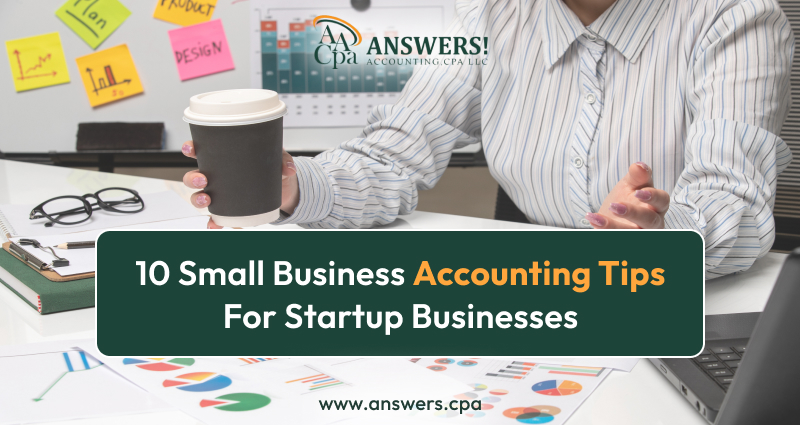
10 Tips and Best Practices for Startup Accounting
Launching a startup is exciting, but it comes with its fair share of challenges. One of the most overlooked areas for many entrepreneurs is accounting. While your focus may be on building your product, attracting customers, and scaling your operations, failing to prioritize your financial foundation can lead to costly mistakes down the road.
Good small business accounting practices don’t just keep you compliant—they also help you understand your numbers, make better decisions, and ensure long-term growth.
In this guide, we’ll share 10 practical small business accounting tips that every startup should know. Whether you’re just starting out or already running a growing venture, these strategies will help you manage your finances with confidence.
Why Small Business Accounting Matters
Before diving into the tips, let’s address why accounting is so critical for startups and small businesses:
- • Cash Flow Visibility: You’ll know where your money is coming from and where it’s going.
- • Tax Compliance: Accurate records help you file taxes on time and avoid penalties.
- • Investor Confidence: If you’re seeking funding, professional books make you look reliable.
- • Informed Decision-Making: Solid financial data allows you to plan for growth, cut costs, or invest wisely.
In short, good accounting is not just about crunching numbers—it’s about giving your business a financial roadmap for success.
1. Separate Business and Personal Finances
One of the first steps in small business accounting is to open a dedicated business bank account. Mixing personal and business expenses can cause major headaches when it’s time to prepare taxes or financial reports.
Why this matters:
- • Keeps your records clean and organized.
- • Protects you legally by maintaining separation (especially for LLCs and corporations).
- • Makes it easier to track deductible expenses.
Pro tip: Get a business credit card for recurring expenses like software subscriptions. This helps build business credit and keeps personal spending separate.
2. Choose the Right Accounting Method
Startups in the U.S. generally choose between cash accounting and accrual accounting:
Cash accounting records income when received and expenses when paid.
Accrual accounting records income when earned and expenses when incurred, regardless of when cash moves.
For startups:
Cash accounting is simpler, but accrual provides a clearer picture of financial health. Many investors and lenders prefer accrual, so if you plan to scale quickly, consider starting with it.
3. Invest in Accounting Software
Gone are the days of relying solely on spreadsheets. Modern accounting software like QuickBooks, Xero, or FreshBooks can automate tasks such as:
- • Invoicing clients
- • Tracking expenses
- • Reconciling bank accounts
- • Generating financial reports
Benefits:
- • Saves time and reduces errors.
- • Provides real-time financial insights.
- • Integrates with payroll and tax tools.
For small business owners who aren’t financial experts, accounting software is a game-changer.
4. Keep Accurate Records from Day One
Good record-keeping is the backbone of small business accounting. From receipts and invoices to bank statements and contracts, every financial document matters.
Why it matters:
- • Ensures accurate tax filings.
- • Helps you identify trends in revenue and spending.
- • Protects you in case of audits.
Tip: Scan and store documents digitally. Many accounting apps let you snap photos of receipts and categorize them instantly.
5. Monitor Cash Flow Closely
Cash flow issues are one of the leading reasons startups fail. Even if your business is profitable on paper, poor cash management can quickly put you in a tough spot.
How to improve cash flow:
- • Send invoices promptly and follow up on late payments.
- • Negotiate favorable payment terms with vendors.
- • Keep an emergency reserve for unexpected expenses.
Pro tip: Create a cash flow forecast for at least 3–6 months. This helps you anticipate shortfalls and plan accordingly.
6. Understand Your Tax Obligations
Small business taxes can get complicated. Depending on your structure (LLC, S-corp, sole proprietorship), you may owe:
- • Income tax
- • Self-employment tax
- • Payroll tax (if you have employees)
- • Sales tax (depending on your state and industry)
Tips for startups:
- • Set aside 25–30% of your income for taxes.
- • Stay updated on filing deadlines.
- • Work with a CPA to identify deductions and credits you may qualify for.
- • Failing to plan for taxes is one of the biggest mistakes new entrepreneurs make.
7. Track Business Expenses Diligently
Every dollar spent on your business should be tracked. Not only does this keep your books accurate, but it also ensures you maximize deductions at tax time.
Common deductible expenses include:
- • Office supplies and software
- • Travel and meals (business-related)
- • Home office expenses (if eligible)
- • Marketing and advertising costs
Pro tip: Use business cards for all expenses. Many accounting platforms automatically categorize them, saving you hours of manual entry.
8. Don’t Neglect Payroll
If you hire employees—or even pay yourself as the owner—you’ll need a reliable payroll system.
Why payroll matters:
- • Ensures compliance with federal and state labor laws.
- • Prevents penalties for incorrect tax withholdings.
- • Keeps employees (and contractors) paid on time.
Outsourcing payroll or using payroll software integrated with your accounting system can save you time and reduce costly mistakes.
9. Review Financial Reports Regularly
Financial statements aren’t just for accountants. As a business owner, you should review them regularly:
- • Income Statement: Shows revenue, expenses, and profit.
- • Balance Sheet: Provides a snapshot of assets, liabilities, and equity.
- • Cash Flow Statement: Tracks cash in and out of your business.
Why it matters:
These reports give you insight into the financial health of your startup and guide better decision-making. Don’t just file them away—use them to steer your business.
10. Partner with a CPA Early
Even if you’re confident in your DIY accounting skills, working with a professional CPA can save you money and stress.
Benefits of hiring a CPA:
- Expertise in tax laws and compliance.
- Strategic financial advice for growth.
- Peace of mind that your books are accurate.
At Answers! Accounting CPA, we specialize in helping startups and small businesses in Colorado Springs and across the USA set up strong financial systems from the start.
Bonus Tip: Plan for Growth
Accounting isn’t just about staying afloat—it’s about planning for the future. As your business grows, your financial needs will become more complex. Setting up scalable systems now makes it easier to handle growth later.
Think about:
When to switch from cash to accrual accounting.
How to structure for investors or funding.
Outsourcing bookkeeping as your time becomes more valuable.
Final Thoughts
Running a startup is challenging, but with the right financial foundation, you’ll be better prepared to handle growth and unexpected hurdles. Small business accounting may not be the most glamorous part of entrepreneurship, but it’s one of the most important.
By following these 10 tips—separating finances, choosing the right accounting method, leveraging software, monitoring cash flow, and working with a CPA—you’ll give your startup the best chance at long-term success.
If you’re ready to take control of your finances, Answers! Accounting CPA is here to help. From bookkeeping and payroll to tax planning and business advisory, we partner with startups and small businesses across the USA to build strong financial futures.
👉 Contact us today to schedule a consultation and put your business on the path to financial clarity.
Frequently Asked Questions (FAQs)
1. What is small business accounting?
Small business accounting is the process of recording, tracking, and managing a company’s financial transactions. It includes bookkeeping, preparing financial statements, filing taxes, and monitoring cash flow to keep the business financially healthy.
2. Do startups need an accountant?
Yes. While some startups manage their finances with accounting software, working with a professional CPA ensures compliance with tax laws, accurate financial reporting, and better financial planning. An accountant can also help startups maximize deductions and prepare for growth.
3. What accounting method is best for small businesses?
Startups usually choose between cash accounting (simpler, tracks money when it’s received or paid) and accrual accounting (records income and expenses when they’re earned or incurred). Cash accounting works for many small businesses, but accrual gives a more accurate picture as you grow.
4. What are the most common accounting mistakes small businesses make?
Some common mistakes include mixing personal and business finances, failing to track expenses, not saving for taxes, ignoring cash flow, and not reviewing financial reports regularly. These mistakes can lead to tax penalties, cash shortages, and poor decision-making.
5. How can startups improve their cash flow?
Startups can improve cash flow by invoicing clients quickly, following up on late payments, negotiating flexible terms with vendors, cutting unnecessary expenses, and maintaining a cash reserve. Creating a cash flow forecast also helps anticipate and prevent shortfalls.