

How Much Does a Bookkeeper Cost? Guide to Bookkeeping Fees
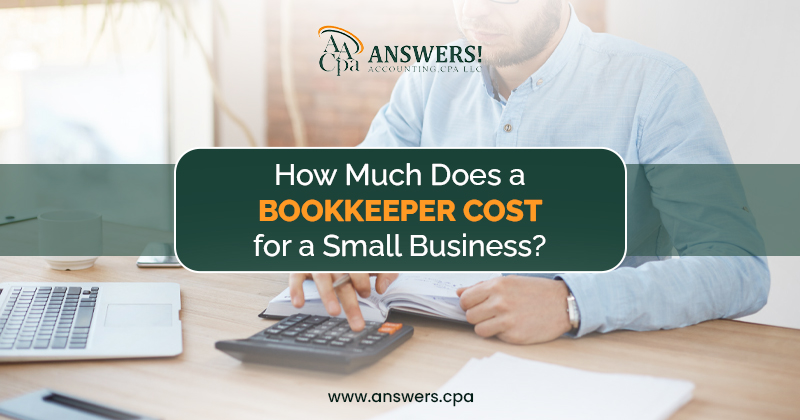
Running a small business comes with many responsibilities, and keeping your financial records in order is one of the most important. A bookkeeper helps track your income, expenses, and daily transactions. But one big question that most small business owners ask is: How much does a bookkeeper cost?
In this blog, we’ll break down the cost of hiring a bookkeeper, the different types of services available, what affects the price, and how you can choose the best option for your small business.
What Does a Bookkeeper Do?
Before we talk about costs, let’s quickly go over what a bookkeeper does. A bookkeeper handles the day-to-day financial records of a business. Their tasks often include:
- • Recording income and expenses
- • Managing accounts payable and receivable
- • Handling payroll
- • Reconciling bank statements
- • Preparing basic financial reports
- • Helping with tax preparation
Having a bookkeeper ensures your financial records are up-to-date and accurate. This is important not only for taxes but also for understanding how your business is doing.
Types of Bookkeeping Services
Bookkeeping services come in a few different forms. Each has its own cost and benefit. Let’s look at the main options:
1. In-House Bookkeeper
This is someone you hire as part of your team. They may work full-time or part-time and come into your office (or work remotely as part of your staff).
-
• Cost:
A full-time in-house bookkeeper earns about $47,000 a year, or about $3,950 per month.
A part-time in-house bookkeeper may charge $21 to $23 per hour.
-
• Additional Costs:
Hiring an employee means you’ll also pay for things like benefits, payroll taxes, and possibly office space and equipment. These add to the total cost—usually around 20% extra.
2. Freelance Bookkeeper
Freelancers work independently. You hire them on an hourly or monthly basis, and they usually serve several clients.
-
• Cost:
Freelancers charge around $20 to $60 per hour, depending on their experience and your needs.
Some offer flat monthly rates that range from $200 to over $1,000.
-
• Pros:
You only pay for the time or tasks you need. This can be cost-effective for small businesses with fewer transactions.
3. Online Bookkeeping Services
Many companies offer remote or cloud-based bookkeeping. These firms use software to manage your books online and may assign you a dedicated bookkeeper.
-
• Cost:
Online services like QuickBooks Live start at around $300 to $700 per month.
Some offer packages based on your business size, with prices ranging from $250 to $2,500 per month.
-
• Pros:
These services often include advanced tools, tax help, and regular financial reporting. You also get the benefit of automation and expert support.
4. Percentage of Revenue Pricing
Some bookkeeping firms charge a fee based on your company’s revenue. This is less common but still used by some providers.
-
• Cost:
Expect to pay around 1% to 3% of your annual revenue.
-
• Example:
If your business earns $300,000 a year, your bookkeeping costs might range from $3,000 to $9,000 per year (or about $250 to $750 per month).
How Much Should a Small Business Expect to Pay?
Here’s a simple breakdown of what you might pay each month based on your business size:
|
Business Type |
Monthly Cost Range |
|---|---|
|
Solopreneur / Micro Business |
$100 – $1,000 |
|
Small Business (with staff) |
$1,000 – $2,500 |
|
Larger / Complex Businesses |
$3,200 – $5,800 (in-house) |
These ranges depend on the number of transactions, your location, and the services included. The more work needed, the more you’ll pay.
What Affects Bookkeeping Costs?
Many factors go into how much you’ll pay for a bookkeeper. Let’s look at the key ones:
1. Size of Your Business
Bigger businesses usually have more transactions, more employees, and more complexity. All of this means more work for a bookkeeper—and a higher price.
2. Location
Bookkeeping in a major city may cost more than in a small town. If you’re in a high-cost area, you might pay more, especially for in-house or local services.
3. Experience and Certification
Bookkeepers with more experience or professional certifications (like CPA or QuickBooks ProAdvisor) often charge more. However, they may work faster and provide higher-quality service.
4. Type of Service
Some bookkeepers only handle basic data entry. Others offer full-service bookkeeping, including tax prep, forecasting, and cash flow reports. More advanced services cost more.
5. Frequency of Work
Do you need help daily, weekly, or just once a month? The more often your bookkeeper works, the higher your bill.
6. Software and Tools
Some bookkeepers include software in their fee, while others may charge extra or ask you to buy your own. Software like QuickBooks, Xero, or MYOB may carry monthly subscription fees.
Hourly vs. Monthly Pricing: Which is Better?
Both hourly and monthly pricing have pros and cons:
Hourly Rates:
- • Best for small jobs or new businesses
- • Easy to control and track
- • Can become expensive if work adds up
Monthly Rates:
- • Easier to budget
- • Covers all services in one flat fee
- • Better for businesses with steady needs
If you know you’ll need regular help, a monthly package is often the better deal.
How to Choose the Right Bookkeeping Option
When choosing a bookkeeping service, don’t just look at cost. Think about what you actually need. Here are some tips:
- 1. List your needs – Do you need help with payroll? Just monthly reconciliation? Something more advanced?
- 2. Check experience – Look for someone who understands your industry or has worked with similar businesses.
- 3. Ask about software – Are they familiar with your accounting tools?
- 4. Compare pricing models – Flat rate? Hourly? Revenue-based?
- 5. Ask about reports – Will you get monthly financial reports or dashboards?
- 6. Try a trial period – Some services offer a free trial or a discounted first month. This can help you see if they’re a good fit.
Why Bookkeeping is Worth the Cost
You might wonder if bookkeeping is worth the money, especially when your business is just starting. The truth is, good bookkeeping pays off in many ways:
- • Keeps your finances organized
- • Helps you make smart business decisions
- • Saves time during tax season
- • Reduces errors and penalties
- • Makes your business more attractive to investors or lenders
Trying to do everything yourself can lead to costly mistakes. Hiring a bookkeeper frees you up to focus on growing your business.
Cost-Saving Tips
Want to get the most value from your bookkeeping budget? Try these tips:
- • Use cloud software to cut down on manual work
- • Automate tasks like invoicing and bank feeds
- • Hire part-time or freelance help at first
- • Bundle services like payroll and tax prep with one provider
- • Keep receipts and documents organized to save your bookkeeper time (and your money)
Invest in the Right Bookkeeping Help
Bookkeeping is not just about tracking numbers; it’s about giving your business the foundation it needs to succeed. Whether you hire a freelancer, outsource to a professional firm, or use an online service, having organized books is key to making smart business decisions.
At Answers! Accounting CPA, we offer expert bookkeeping services tailored for small businesses. Whether you’re just starting or scaling up, our flexible, affordable solutions ensure your books are always accurate and up-to-date.
Ready to take control of your business finances?
Contact Answers! Accounting CPA today to explore the bookkeeping package that fits your needs and budget.