

2025 Guide to AI in Accounting : Trends, Use Cases and Tools
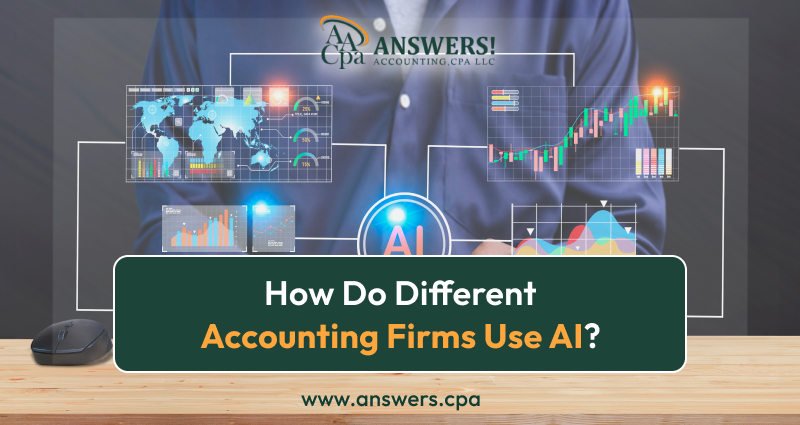
Artificial Intelligence (AI) is no longer just a tech buzzword. It is now shaping industries everywhere, and accounting is one of the biggest areas seeing change. If you run or work at an accounting firm, you have probably heard about AI in accounting. But here is the real question: how are different accounting firms actually using it in their daily work?
Let’s break this down. In this blog, we will explore how firms are using AI accounting software, what the most common AI use cases in accounting look like, and how you can figure out how to use AI in accounting at your own firm.
Why is AI becoming so important in accounting?
Traditionally, accountants spent hours entering numbers, balancing books, and checking transactions for errors. While these tasks are important, they are also repetitive and time-consuming. AI changes this by automating much of that routine work.
Artificial intelligence in accounting helps machines learn patterns in data and then perform tasks that used to need human effort. This includes analyzing financial reports, predicting trends, scanning tax rules, and even spotting fraud before it becomes a problem.
The goal is not to replace accountants but to give them better tools. With AI for accounting, professionals get more time to focus on strategy, advisory work, and helping clients make smarter financial decisions.
AI in accounting and finance: what it really looks like
When people hear about AI and accounting, they sometimes imagine robots crunching numbers. The reality is more practical. AI shows up in accounting firms in many ways. Let’s look at the big ones:
1. Automating data entry
No one enjoys entering thousands of receipts into a system. AI can scan invoices, receipts, and bank statements, then upload the details directly into accounting software. Firms save countless hours this way.
2. Fraud detection and risk management
AI accounting software can analyze transactions in real time. If it spots unusual activity, it alerts the accountant. This reduces fraud risk and protects clients.
3. Tax compliance
Rules and tax laws change constantly. Instead of manually checking updates, AI for accounting firms can stay current on regulations and suggest the right deductions or compliance steps. Some firms even use AI accounting software that automatically adjusts calculations based on the latest tax laws.
4. Financial forecasting
AI is excellent at spotting patterns. Accounting firms use it to forecast cash flows, predict market changes, and even help clients prepare for possible risks in the future.
5. Smarter auditing
Instead of going through every single document, AI can scan massive amounts of financial data quickly. It highlights areas that need closer inspection, making audits faster and more accurate.
6. Client communication tools
Some AI-powered accounting platforms now have chatbots that answer client queries instantly. This improves client service without overloading accountants with repetitive questions.
AI in accounting examples: how firms are putting it to work
Different firms adopt AI in different ways depending on their size, clients, and goals. Let’s look at some AI in accounting examples:
- • Small firms: Many small accounting firms use AI accounting software mainly for bookkeeping and tax preparation. They save time on manual work and spend more time advising clients.
- • Medium-sized firms: These firms often expand AI use to include fraud detection, client reporting, and cash flow analysis. They use artificial intelligence for accounting to improve both efficiency and accuracy.
- • Large firms: Big accounting firms invest in advanced AI tools to manage large data sets, predict trends, and provide strategic advice to corporate clients. They use AI in accounting and finance to support not only traditional accounting work but also risk analysis and investment decisions.
Some larger firms also experiment with AI in accounting software that integrates with enterprise systems, creating real-time dashboards for executives.
What is the best AI accounting software for taxes?
A common question many firms ask is: what is the best AI accounting software for taxes? The answer depends on your needs, but here are some popular choices firms are using:
- • QuickBooks with AI features - Great for small businesses and firms that manage tax preparation.
- • Xero - Uses AI to automate data entry and help with tax filings.
- • Intuit’s AI tools - Built for both individuals and accounting firms, especially useful in tax compliance.
- • Botkeeper - Uses machine learning to automate bookkeeping and tax processes for accounting firms.
- • Sage Accounting with AI add-ons - Often used for small and mid-sized firms to manage both taxes and compliance.
The best choice for your firm depends on how much automation you need and the size of your client base.
How to use AI in accounting at your firm
If you are wondering how to use AI in accounting, here are some practical steps:
- 1. Start with bookkeeping automation - Use AI accounting software that can scan receipts, invoices, and bank feeds automatically.
- 2. Add AI tools for tax compliance - Select software that keeps track of tax law changes and helps you apply them.
- 3. Use AI for fraud detection - Integrate tools that analyze client transactions for suspicious activity.
- 4. Adopt AI-driven analytics - Use forecasting tools to help clients plan cash flows, budgets, and investments.
- 5. Train your team - AI works best when accountants understand how to use it. Offer staff training so they can apply AI insights correctly.
- 6. Scale slowly - Test a tool in one department before rolling it out across your entire firm.
AI use cases in accounting: real benefits
Here are the main benefits accounting firms are seeing when they adopt AI for accounting:
- • Time savings: Accountants spend less time on repetitive work.
- • Fewer errors: Automated processes reduce the risk of mistakes in bookkeeping.
- • Better client service: Firms can spend more time advising clients instead of crunching numbers.
- • Stronger compliance: AI helps keep up with new tax laws and accounting standards.
- • Fraud protection: Early alerts mean fewer surprises for firms and clients.
- • Data insights: Firms use AI to discover patterns in client data that humans might miss.
These AI use cases in accounting show that artificial intelligence is not about replacing accountants. It is about making them more effective.
Challenges firms face when using AI in accounting
While AI in accounting software is powerful, there are also challenges:
- • Cost of tools: Some advanced systems can be expensive, especially for smaller firms.
- • Learning curve: Accountants need training to use AI effectively.
- • Data security: Firms must ensure client data is protected when using AI platforms.
- • Change management: Some staff may resist new technology at first.
- • Integration issues: Not all AI tools work well with existing systems. Firms often need IT support to make it smooth.
- • Client expectations: As clients hear about AI, they may expect faster service or lower costs, which can pressure firms.
The Human Side of AI in Accounting
It is important to remember that while artificial intelligence and accounting go hand in hand now, the human touch is still critical. AI cannot build relationships, explain complex tax strategies in simple terms, or give emotional reassurance to a worried client.
The most successful firms use AI to handle the heavy lifting but rely on skilled accountants to provide interpretation and advice. Think of it this way: AI is the calculator, but the accountant is still the problem solver.
The future of AI in Accounting and Finance
So where is this all going? Experts believe that in the near future, most accounting firms will rely heavily on AI in accounting and finance. Here is what we can expect:
- • AI advisors: Instead of just recording data, AI will help give advice to both accountants and clients.
- • Deeper analytics: More firms will use AI for predictive analysis to guide business decisions.
- • Voice-enabled accounting: Imagine asking your software a question like, “What were my client’s expenses last quarter?” and getting an instant answer.
- • Complete automation of routine work: Bookkeeping and compliance will become almost fully automated, leaving accountants free to focus on strategy.
- • More personalized services: With AI analyzing client behavior, firms will offer highly tailored advice and support.
Why accounting firms should embrace AI
Here’s the bottom line. AI in accounting is no longer optional. Firms that use it are already seeing faster processes, fewer mistakes, and happier clients. Those who ignore it risk falling behind.
Whether you are a small local practice or a global accounting firm, using AI for accounting can transform your services. Start with the basics like bookkeeping automation and tax compliance, then expand into forecasting and fraud detection.
The question is no longer whether AI will impact accounting. The question is how quickly your firm will adapt. The firms that embrace artificial intelligence and accounting today will set the standard for tomorrow.
FAQs
1. What is AI in accounting?
AI in accounting means using artificial intelligence tools to automate tasks like bookkeeping, tax compliance, fraud detection, and financial forecasting.
2. How do firms use AI accounting software?
Firms use AI software to scan invoices, prepare taxes, detect fraud, and create smarter financial reports.
3. What is the best AI accounting software for taxes?
Popular options include QuickBooks, Xero, Intuit AI tools, Botkeeper, and Sage Accounting.
4. Is AI replacing accountants?
No. AI helps with routine tasks so accountants can focus on strategy, analysis, and client advice.
5. What are some AI in accounting examples?
Examples include automating data entry, scanning receipts, detecting fraud, and forecasting financial performance.